

#1: Make sure you (still) have homeowners insurance
(video below) – Attorney Joseph Piacun, who has been handling Hurricane Ida claims since 2021 says, “The most important thing people should check, first of all, is that they do in fact have insurance coverage right now. With all the hurricanes hitting … the past couple of years, there have been a couple of insurance companies that have gone under and pulled out [of areas deemed high-risk]. So, number one, make sure you do still have insurance coverage.”
Watch video for more suggestions:
If you already know that you do not have a homeowners policy, it’s recommended that you find one.
________________________________
#2: Review your policy
… gain a general understanding of what is covered and what is not. See if there have been any (annual) changes (which the insurance company should have included in a new declaration page, or sent official notice about)…
How to Read Your Declaration Page
Click on the image below for a step-by-step instruction guide on reading your declaration page, with additional info about what a typical homeowners insurance policy covers (NOTE: The linked article, like many articles & guides on homeowners insurance, lists “wind & hail” as covered – this is not the case for approx. 20 states & several regions deemed high-risk…This is discussed further below)

For a more detailed outline & explanation of the contents of a homeowners insurance policy, we recommend you also read this article by the S. Carolina Dept. of Insurance.
. . . . . . . . . . . . . . . . . .
Questions to Ask Yourself As You Read Through Your Homeowners Policy:
- When does my policy expire?
- What is my deductible?
- Do I have additional deductibles? (ex: wind/hail damage)
- What is excluded from my coverage? (ex: FLOOD)
- Are there other coverage limitations? (What are they?)
- Has my insurance company dropped my policy/my area? (more on how to check if your policy is active below)
…also – give your coverage, and your understanding of your coverage, a “gut-check” — ask yourself, “if X happens, will I be covered?”
. . . . . . . . . . . . . . . . . .
? Get a homeowners policy quote
. . . . . . . . . . . . . . . . . .
It’s complicated…
Why You Should Read Your Policy
We’ve cued-up this video to watch so you can get an idea of how more specific coverage details are “buried” in your policy description:
…we’ve also cued to a brief personal explanation of why a flood insurance policy is a smart & economical investment (NOTE: Homeowners insurance does not cover most hurricane-related, coastal & other types of flooding) – this is especially true in states/coastal areas deemed high-risk by insurance companies, such as Virginia where this podcast host used to reside:
(Watch podcast video from beginning)
(Find NFIP flood insurance providers)
________________________________
#3: What may not be covered by your homeowners insurance
As we’ve briefly touched upon above, two common hurricane damage types that are often not covered by a homeowners policy are wind/hail & flood/water.
. . . . . . . . . . . . . .
?? Wind:
Currently, 19 states and Washington, D.C. mandate windstorm & hurricane deductibles (see list of states below, with average annual rates/premium costs). It’s important to check the details of your policy to be certain about whether and how wind damage (and hail!) is handled by your policy.
Make sure to know what your out-of-pocket wind/hail deductible might be for hurricanes & other disaster damages – and, how much your rates may increase with each claim you make (ex: avg rate increase after wind-related loss is 9% nationally)…
AVG ANNUAL HOMEOWNERS RATES
(Wind Deductible Mandated States)
[DATA SOURCE]
- Alabama — $1,947 avg. annual*
- Connecticut — $1,411 avg. annual
- Delaware — $716 avg. annual
- Florida — $1,572 avg. annual
- Georgia — $1,196 avg. annual
- Hawaii — $349 avg. annual
- Louisiana — $2,037 avg. annual*
- Maine — $695 avg. annual
- Maryland — $1,042 avg. annual
- Massachusetts — $916 avg. annual
- Mississippi — $1,929 avg. annual*
- New Jersey — $706 avg. annual
- New York — $980 avg. annual
- North Carolina — $1,661 avg. annual
- Pennsylvania — $1,004 avg. annual
- Rhode Island — $1,087 avg. annual
- South Carolina — $1,556 avg. annual*
- Texas — $2,387 avg. annual*
- Virginia — $1,294 avg. annual
- Washington D.C. — $940 avg. annual
*Several insurance companies, including major carrier FedNat Insurance, have pulled out of hurricane-vulnerable states such as: Alabama, Florida, Louisiana, Mississippi, S. Carolina, and Texas — leading to policy cancellations, and higher rates with new providers
Rates can vary drastically depending on location, but coastal states — especially those along the Gulf of Mexico (all of which mandate hurricane/windstorm deductibles) — tend to have the most expensive insurance premiums. And! Remember: The cost of your homeowners insurance may increase (an avg. of 9%) with each wind claim made.
. . . . . . . . . . . . . .
? Get a homeowners policy quote
. . . . . . . . . . . . . .

 FLOOD/Water:
Another common hurricane impact not covered by homeowners insurance is FLOOD & water damages.
Two important things to know regarding flood & flood insurance:
1.) There is little to no chance your homeowners insurance covers flood damage, particularly if you live in a hurricane/flood-prone state or coastal location, and…
2.) All flood insurance takes 30 days from the start of policy to go into effect
This means — the sooner you determine whether you need flood insurance (if you live in a coastal state, you probably do!) and establish a policy — the better.
. . . . . . . . . . . . . .
Find flood insurance via National Flood Insurance Program (NFIP) providers here.
_______________________________
Are you still covered?
#4: How to check if your homeowners policy is active
As mentioned, several insurance companies have pulled out of states and areas deemed high-risk for hurricanes & other disasters.
First, and as a general rule, we recommend you keep an active eye out for emails and “snail mail” letters from your insurance company. Understandably, we all sometimes glance past these, or toss letters in the “junk”/”later” pile. But, when it comes to insurance notices, they can come out of nowhere – and have BIG effects if you miss important news about policy changes or coverage cancellations for your area.
(You may want to start with an email search, or dig through the mail pile)
And, as with all hurricane preparedness planning – we recommend that you speak often with friends, family, coworkers, and neighbors especially about any changes in insurance – often, you may learn via the local grapevine that a change has occurred.
Similarly, perk up for any news coverage on insurance cancellations.
. . . . . . . . . . . . . .
Check your policy status (are you still covered?) – take these steps:
1.) Locate your (most recent) policy paperwork. Make sure you have your policy number handy, along with any information which might be important to determine your coverage status.
2.) Find the appropriate contact info you wish to use to make your inquiry (phone, online) – we recommend the phone method if possible, to avoid automatic/”bot” responses via online chat or email replies.
3.) We call this part – “Insurance Endurance”… Put aside a little time – It may take a few automated menus, etc. to reach a person or legit info source that can definitively state whether your area (and you) still have coverage.
4.) Make Contact – However you choose to do it, make direct contact with your company prior to hurricane season, or earlier on in the season (don’t wait til peak season and/or the “cone of uncertainty”!)…
5.) Ask ALL the Questions – Now that you’ve got someone on the phone, or an attentive online representative, ask questions about the future of your coverage (ex: If I lost coverage – what do I do? …or, Is my area expected to lose coverage?)
… Depending upon what type of representative is addressing your questions, you may want to ask additional questions about what your policy covers (if such inquiries seem within the representative’s department knowledge)
. . . . . . . . . . . . . .
And if you find out you’re not covered?
… time to shop for the best new policy
? Get a homeowners policy quote
________________________________
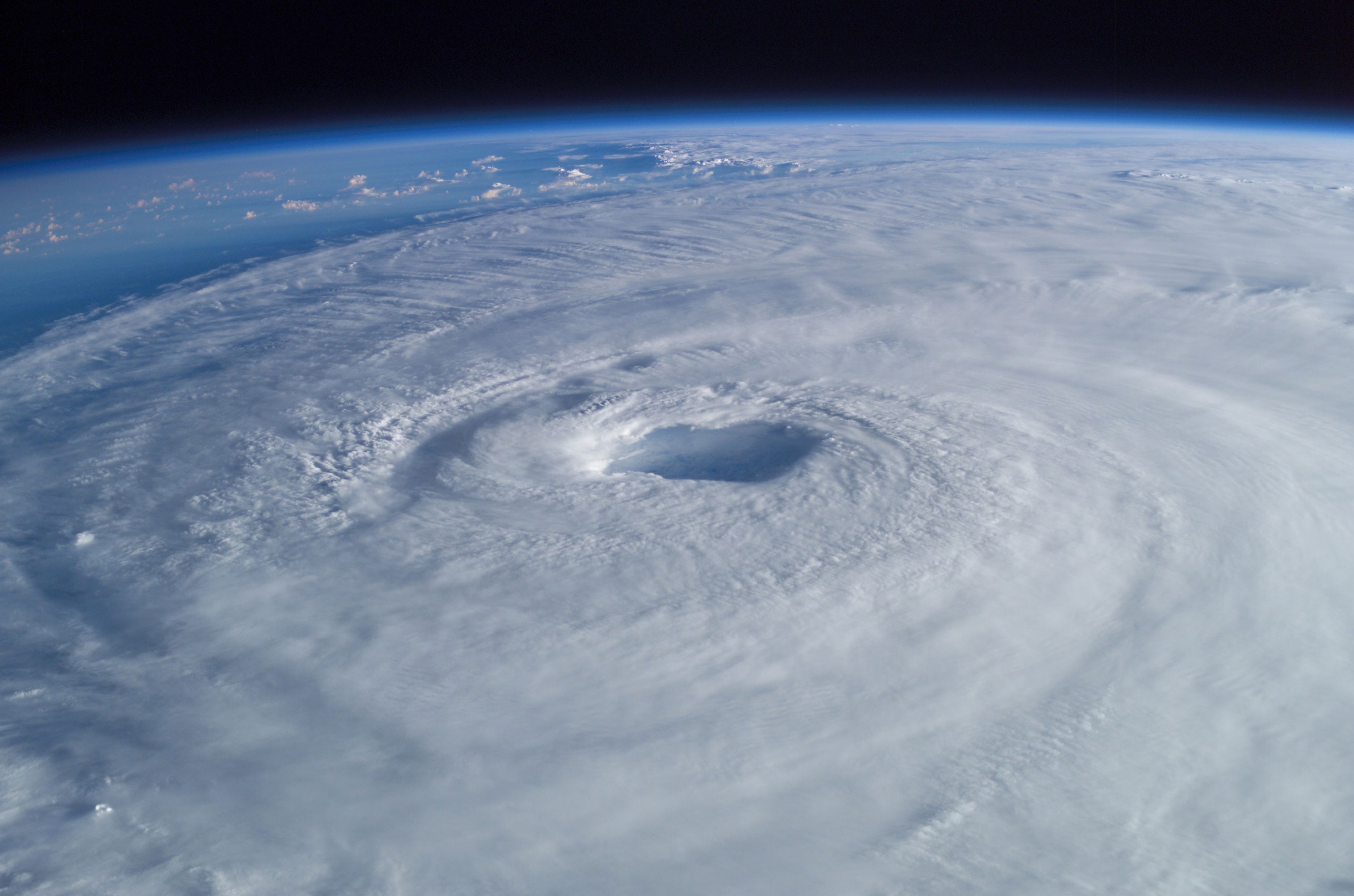
Featured Image Source: Junglecat, Wikimedia Commons


